Kyoto Yakimono Week – WAN wan ONE | Archive
13th Edition of WAN wan ONE
November 1–11, 2024
Thank you for visiting.
The 13th edition of WAN wan ONE in 2024 closed successfully after a lively run.
Thank you to the many people who attended each event.
With so many visitors coming to see the works, you helped make this a wonderful event.
We look forward to welcoming you again next year.
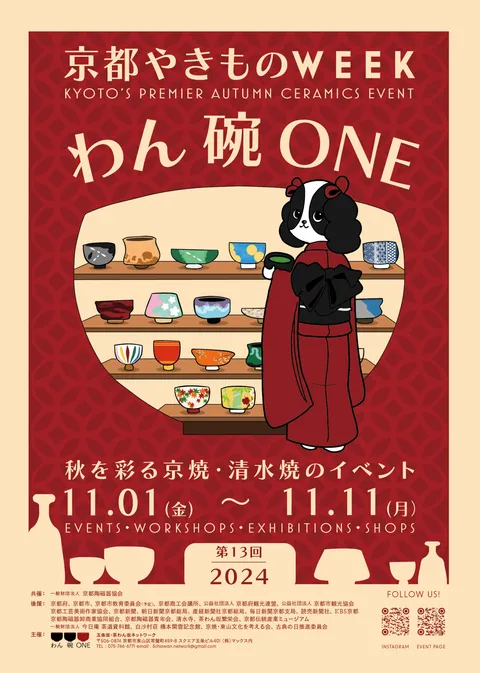
At the time, the ‘13th Edition Gallery’ button led to a sales page. You can now view exhibition scenes in each program below.
View the original event listing (dates and venues)
Exhibition
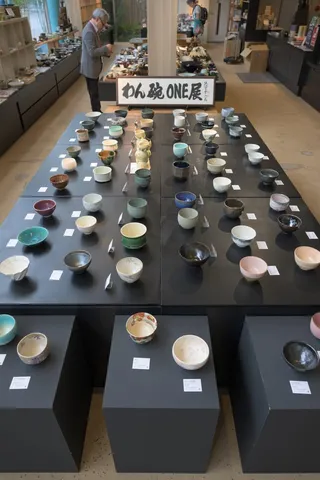
the WAN wan ONE Exhibition
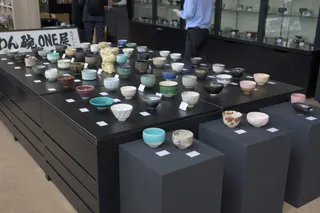
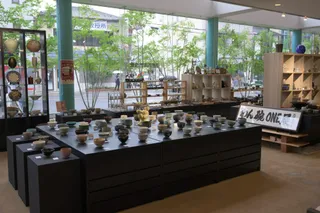
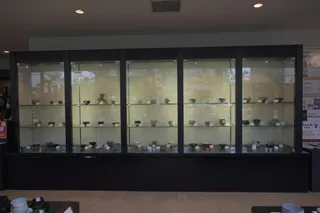
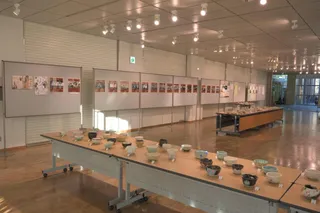
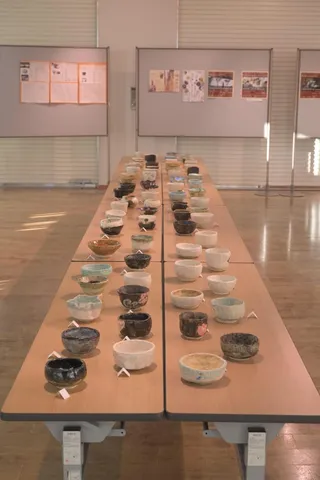
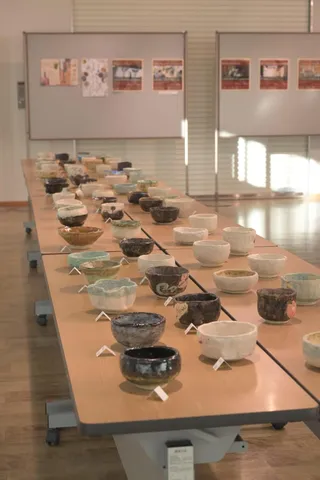
This year’s main exhibition was held at Kyoto Ceramic Center. The 13th edition featured more than 100 tea bowls by artists working in Kyoto, offering visitors a diverse range of works. A distinctive feature of the WAN wan ONE Exhibition is the gathering of tea bowls by so many artists in one place. It offered an opportunity to fully appreciate the appeal of Kyo-yaki and Kiyomizu-yaki.
Guinomi and Ochoko Sake Cup Exhibition
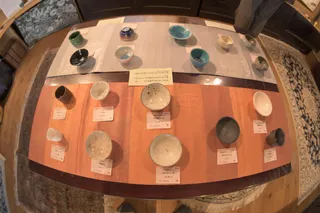
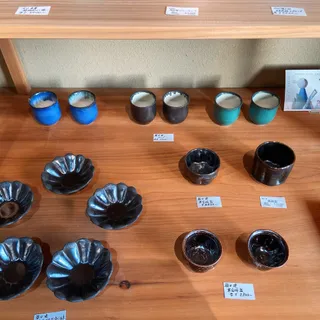
More than 60 guinomi and ochoko sake cups were exhibited on the second floor of the machiya gallery Toutensei Kawasaki. In Kyo-yaki and Kiyomizu-yaki, techniques and expression differ from kiln to kiln and artist to artist, and sake vessels reflect these differences. Through variations in form and texture, the exhibition invited visitors to explore the depth of vessels used to enjoy sake.
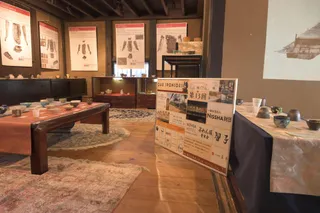
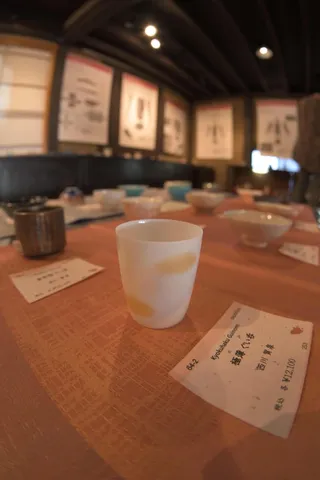
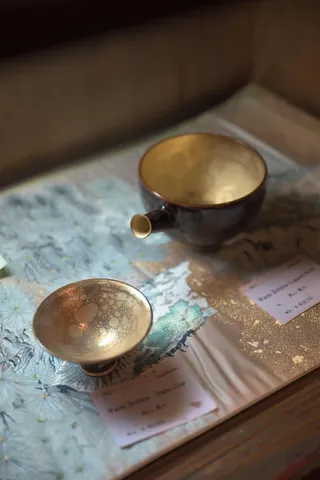
The Kilns of Gojozaka: Records and Memories of Kyo Ware
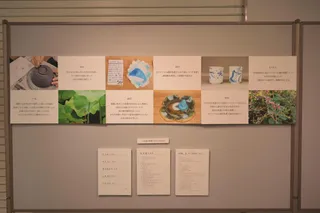
A joint project by Waseda University’s Technology and Life Culture Laboratory (Yogo Laboratory) and the Kidachi Laboratory at Ritsumeikan University’s ART RESEARCH CENTER presented panels and videos combining memories of Kyo-yaki before and after World War II with records such as 3D measurements of Kyoto-style climbing kilns that survived into recent years.
Surveys of machiya townhouses, workshops and climbing kiln sites around Gojozaka organized and visualized past ways of living and making pottery. The exhibition presented visitors with the history of Kyo-yaki nurtured in Gojozaka and perspectives connecting it to the future.
Higashiyama Kaiseikan Tea Bowl Exhibition
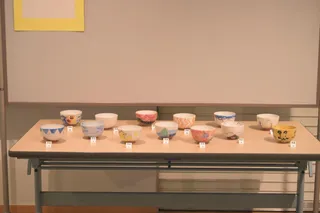
Tea bowls designed and painted by pupils and students in the tea ceremony club at Higashiyama Kaiseikan were exhibited.
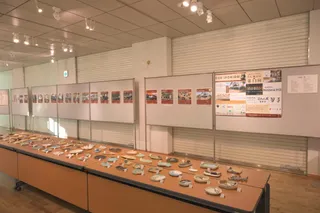
Higashiyama Kaiseikan Pottery Exhibition
Works made in art classes by eighth- and ninth-grade students at Higashiyama Kaiseikan were exhibited. Many visitors viewed these individual creations by students living in the birthplace of Kyo-yaki and Kiyomizu-yaki.
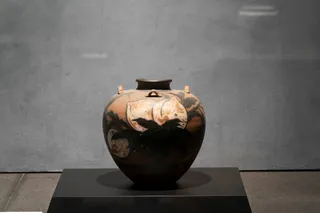
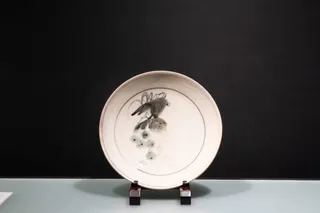
Kyoto’s Legendary Ceramicists Exhibition
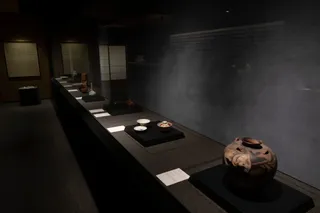
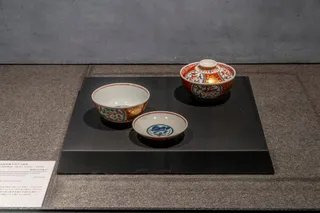
This year, the second chapter of the Legends Exhibition series focused on ceramic artists remembered as legends who were active in the Showa 20s (1945–1954). Their varied work was introduced alongside stories from their surviving families.
Beside the Climbing Kiln
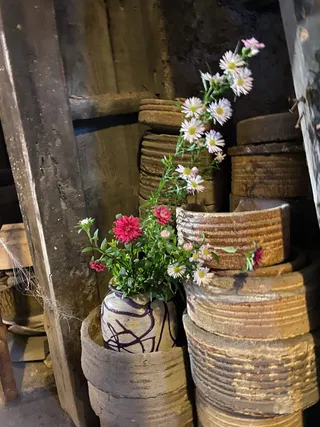
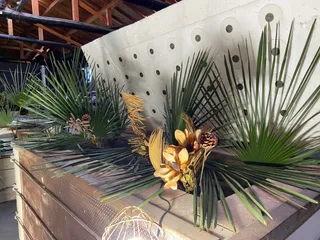
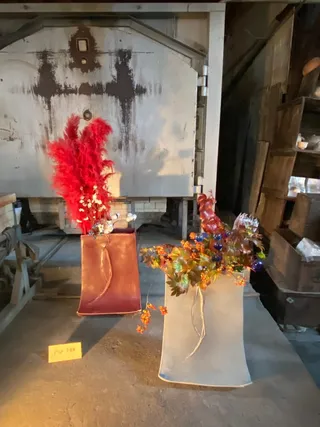
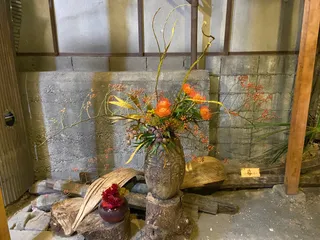
At an ikebana exhibition held inside the climbing kiln, members of Kokokai of the Saga Goryu school arranged beautiful flowers in old vases and flower vessels left in the kiln workshop.
The arrangements brought brilliant color to the historic workshop, offering visitors a sense of the season and the living presence of tradition.
Tsuchinari: Bowls of the Shimizu Family
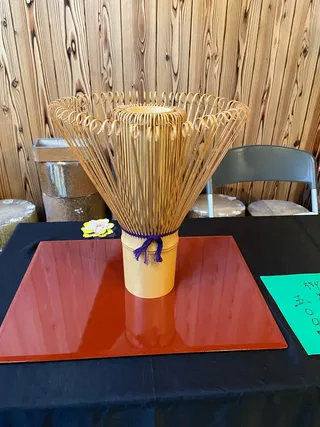
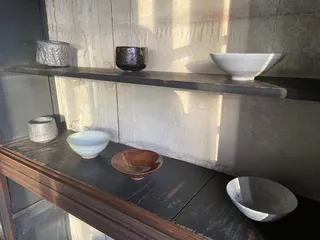
Tsuchinari is a way of shaping clay that brings out its inherent qualities. Originating with Uichi Shimizu, the technique has been passed down through successive generations of the Shimizu family. This exhibition focused on works from Gojozaka Shimizu, conveying the makers’ intentions through the warmth of the clay, careful handwork and refined craftsmanship.
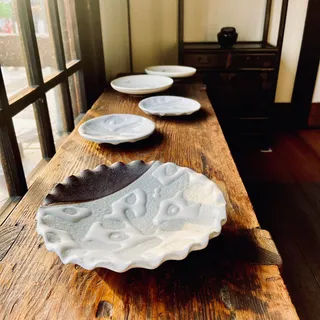
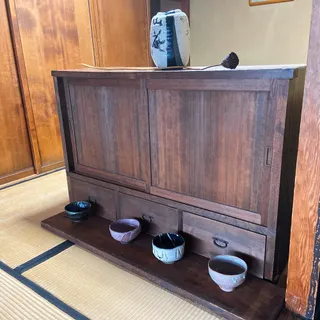
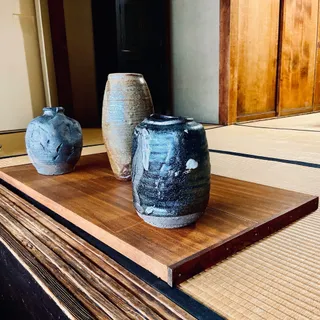
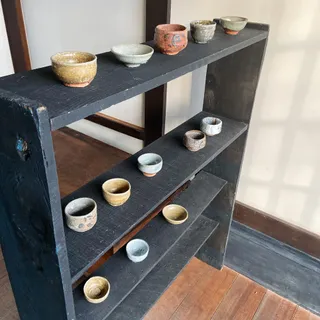
Aoi Motoba Ceramics Exhibition — birth
The exhibition featured works by Aoi Motoba, a graduate of Tokyo University of the Arts, whose style brings out the inherent appeal of earthenware while conveying a feminine gentleness.
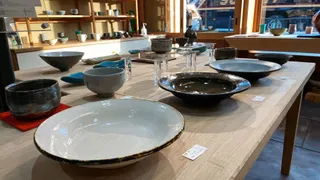
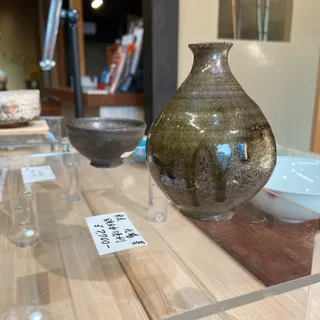
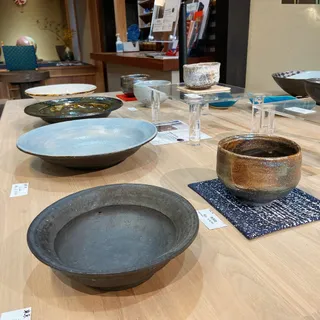
“UTSUWA DANSHI” Permanent Exhibition
Vessels by male ceramic artists working locally around Gojozaka were exhibited.
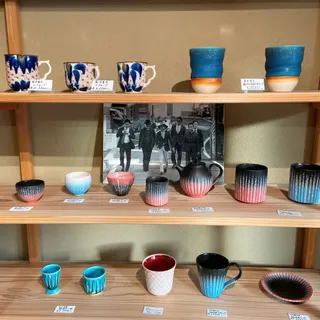
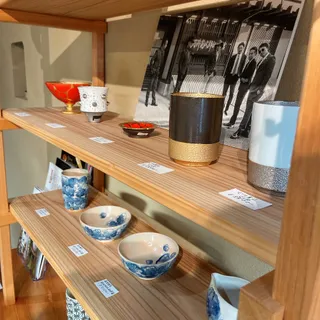
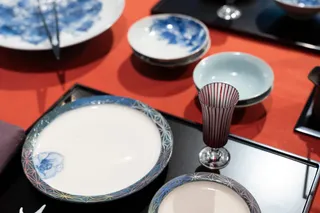
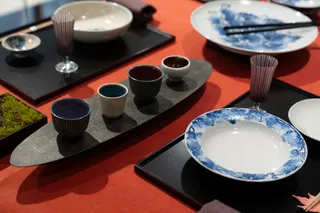
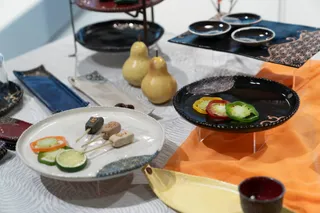
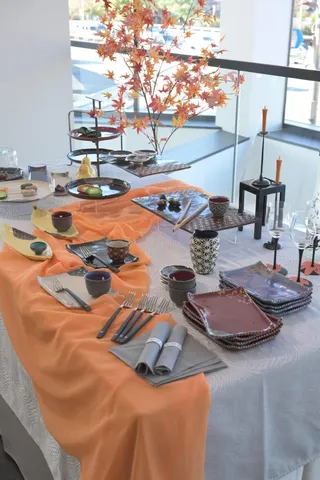
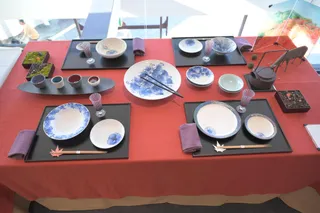
Hospitality Table Settings: An Autumn Foliage Feast
Coordinators from the Kinki Branch of the Table & Food Coordinate Association styled works from the Kyoto Federation of Ceramic Cooperatives in colorful Japanese and Western table settings inspired by autumn foliage. Visitors could enjoy the dining presentations while handling the works. Some pieces were also available for purchase at the venue.
With cooperation from Hanbey-Fu, the Kyoto Federation of Ceramic Cooperatives, and the Kinki Branch of the Table & Food Coordinate Association.
The cooperating organization’s name ended with the incomplete Japanese “近畿支” in the original. The missing final character has been added to give “近畿支部” (Kinki Branch), using the wording earlier in the same paragraph (September 11, 2026; docs/archive-migration-plan.md, section 6, Q5).
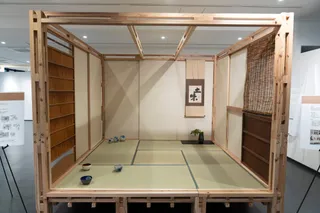
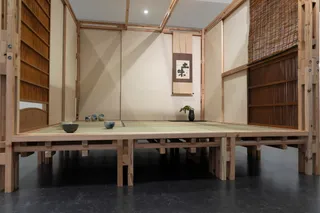
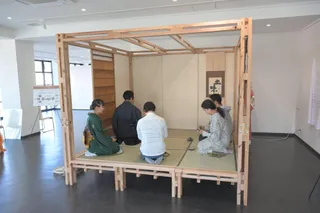
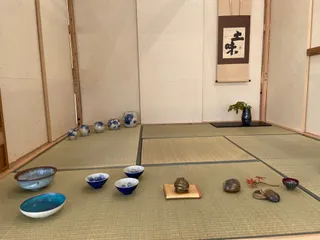
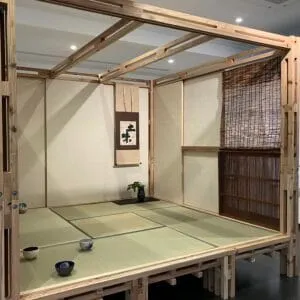
Modular Tea House Exhibition and Tea Experience
A modular tea house using wooden units, developed by a team from the Design and Architecture field at Kyoto Institute of Technology, was exhibited. On tea-service days, the university’s tea ceremony club served tea inside the tea house.
Event
Roundtable Discussion: The Kilns of Gojozaka
An informal exchange of views was held based on the exhibition and presentations for The Kilns of Gojozaka: Records and Memories of Kyo Ware.
Text correction: In the original data for this retrospective page, this item mistakenly contained the description of another program, the Yuichi Ikai Exhibition, identical to the 12th edition’s text. The description has been restored using the correct text preserved on the original event listing page (/archive/13/events/, element ID 56a66c0; September 11, 2026; docs/archive-migration-plan.md, section 6, Q4).
Gallery Talk (Legends Exhibition)
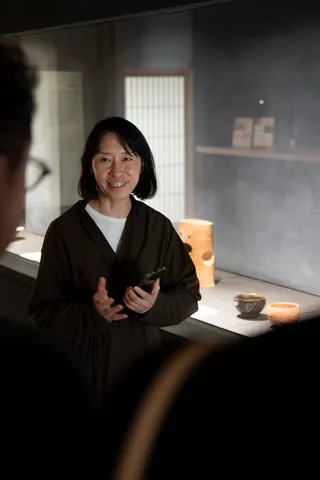
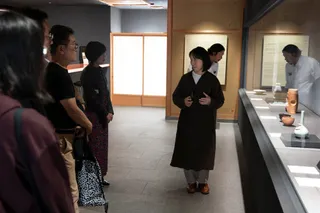
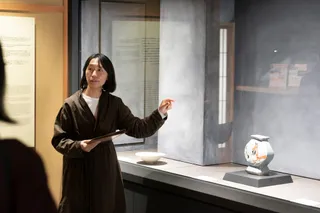
A gallery tour introduced the exhibited works alongside stories from the artists’ surviving families.
The organizers answered questions as they guided participants through the exhibition, deepening their understanding of the works.
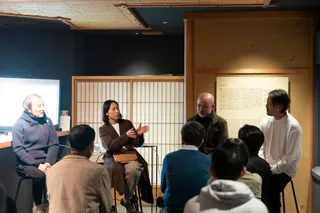
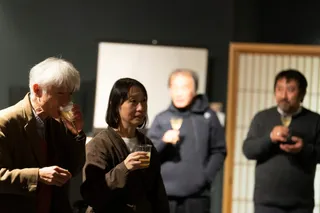
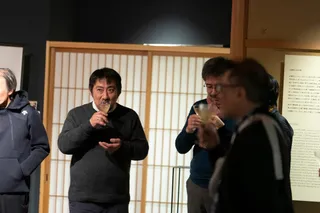
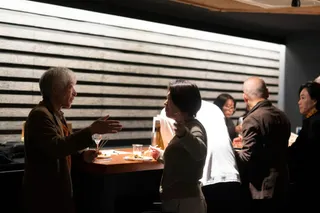
Sharing, Listening, Connecting
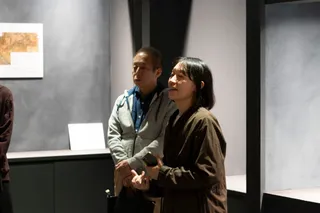
A talk event related to the Legends Exhibition was held.
Relatives of the exhibiting artists took the stage to explore the Showa 20s (1945–1954) from the perspective of this neighborhood and share valuable stories of the time.
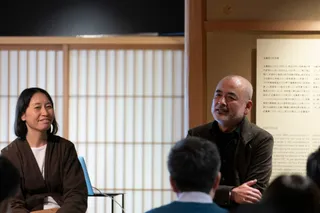
Tan’an Tea Gathering
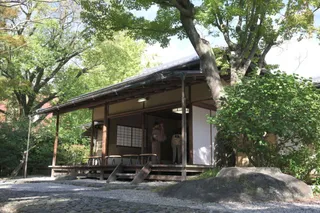
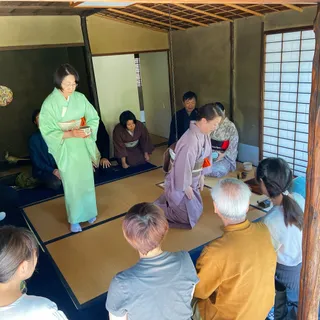
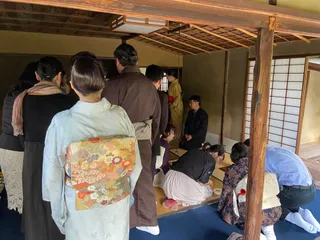
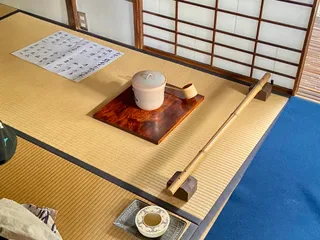
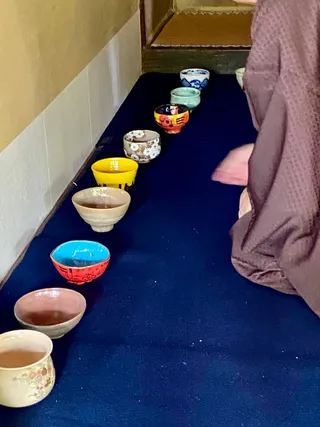
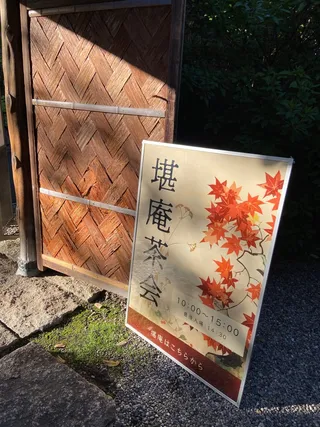
A one-day tea gathering was held at Tan’an Tea House inside Kyoto National Museum. Mainly ceramic tea utensils were used, allowing guests to enjoy a special bowl of tea while appreciating the warmth and texture unique to ceramics.
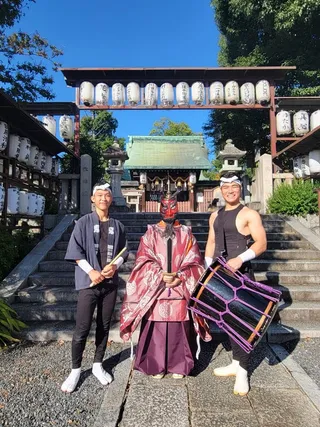
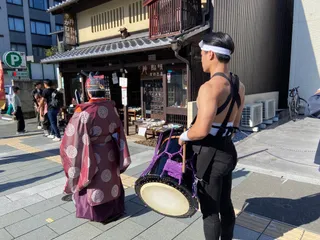
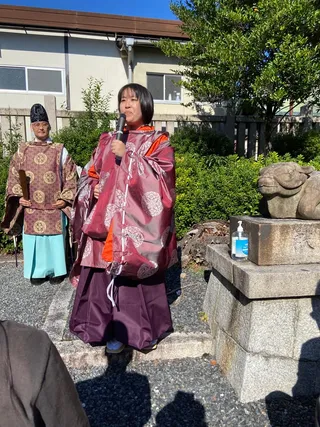
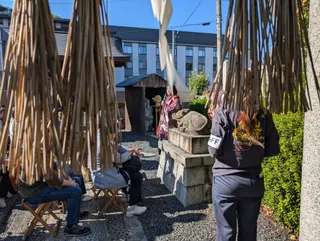
The 11th Shoki Festival
A festival was held to give thanks to Shoki, the deity believed to ward off evil who stands on roof tiles.
Shoki-themed goods were also sold at Gojo Green Tea Stand during the event period.
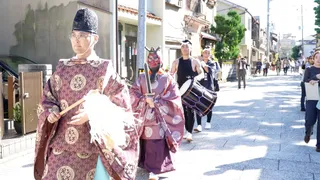
The “11th” in the heading refers to the Shoki Festival’s own edition number, separate from the 13th edition of WAN wan ONE. The original event listing uses the same wording, so it has been retained (docs/archive-migration-plan.md, section 3).
Tea Gathering at NOHGA HOTEL
Bowls by ceramic artists working mainly in Kyoto were displayed in the lobby of NOHGA HOTEL. A special tea gathering was also arranged so that visitors could enjoy the works up close and experience a memorable occasion.
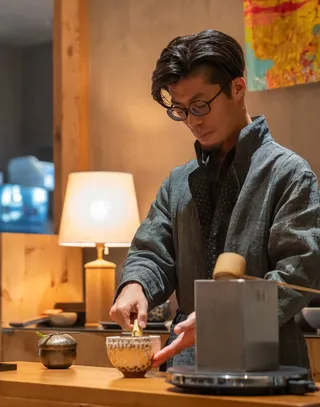
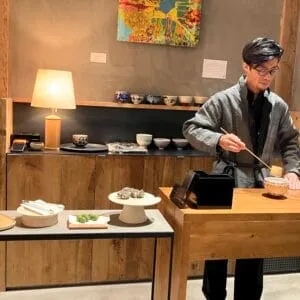
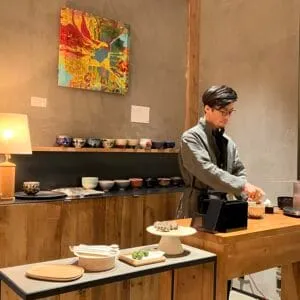
Tea Served in Kyo-yaki and Kiyomizu-yaki Bowls
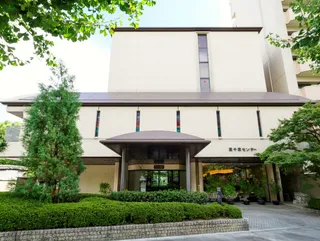
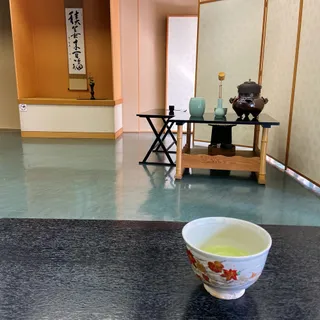
Usucha (thin matcha) was served at the Chado Research Center in tea bowls made by Kyo-yaki and Kiyomizu-yaki artists.
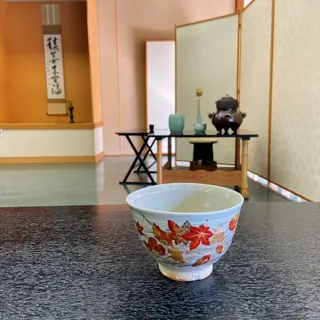
Creating the Present: A Journey to Discover a New Self
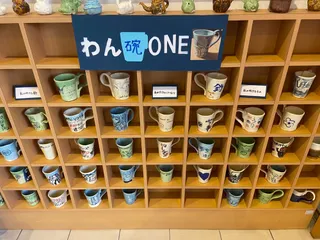
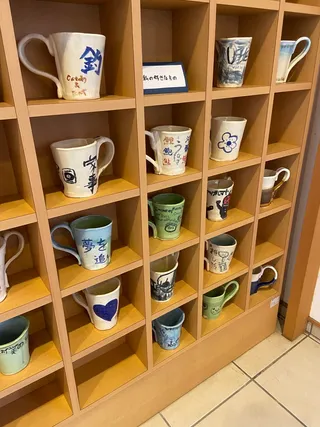
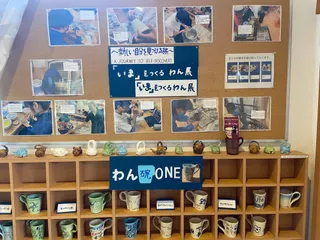
An exhibition was held at Cafe Shudo inside Higashiyama Special Needs School, exploring questions such as “Perhaps I have left myself behind in the busyness of everyday life” and “What do I like? What do I want to do?”
Gojozaka Pottery Tour
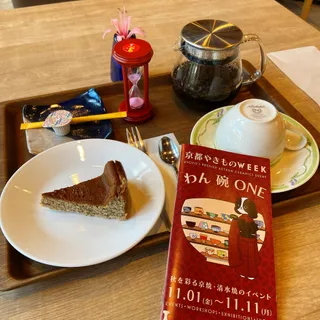
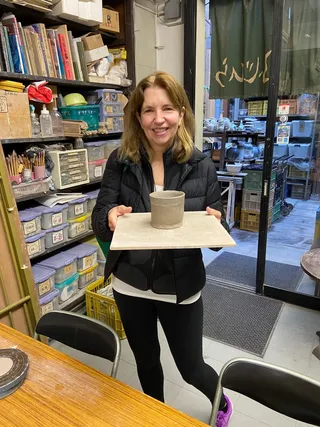
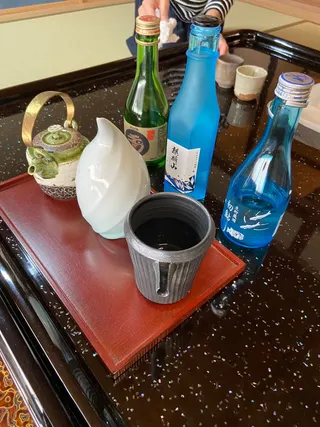
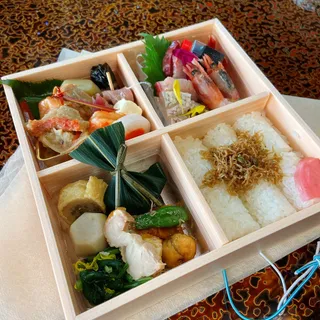
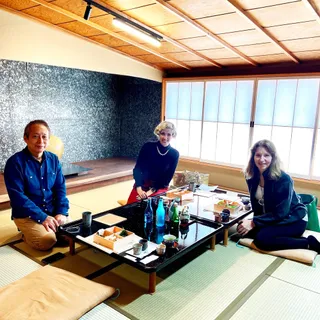
A special tour during the event period combined exhibition visits, a hands-on pottery experience working with clay, and a special lunch with local artists. It offered participants the chance to fully enjoy the appeal of Gojozaka.
Workshop
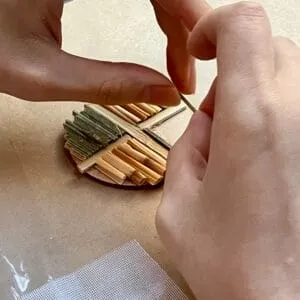
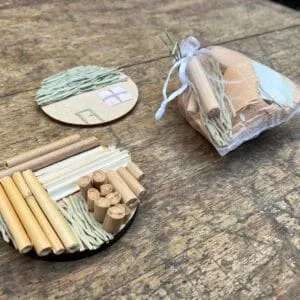
Upcycle with Traditional Crafts! A Hands-On Materials Workshop
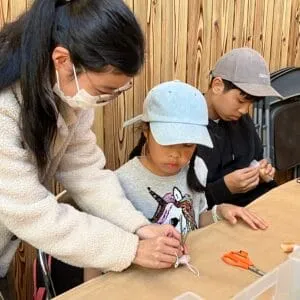
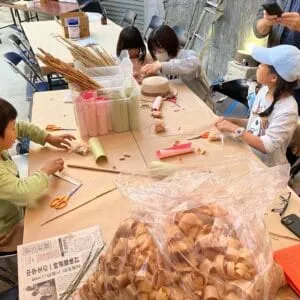
An upcycling workshop was held under the guidance of Kyoto University of the Arts’ Higashiyama Traditional Craftspeople’s Town Project.
Using offcuts provided by traditional craftspeople living in Higashiyama Ward, participants made badges and scented sachets.
Workshop with Jun Kawajiri
A workshop was held by Jun Kawajiri, specially appointed professor in the Department of Design and Crafts, Faculty of Arts, at Kyoto Arts and Crafts University.
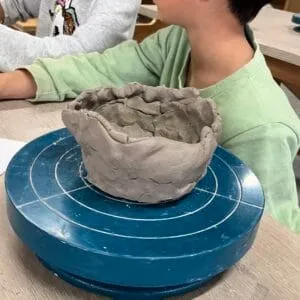
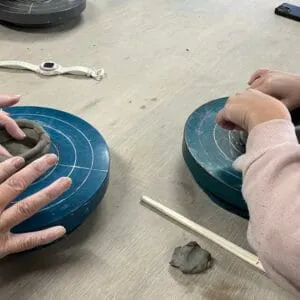
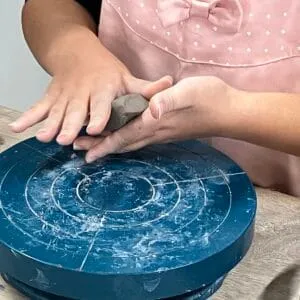
Participants used hand-building techniques to make one bowl, such as a tea vessel or a serving bowl. Finished pieces could be collected at the university after firing.