Kyoto Yakimono Week – WAN wan ONE
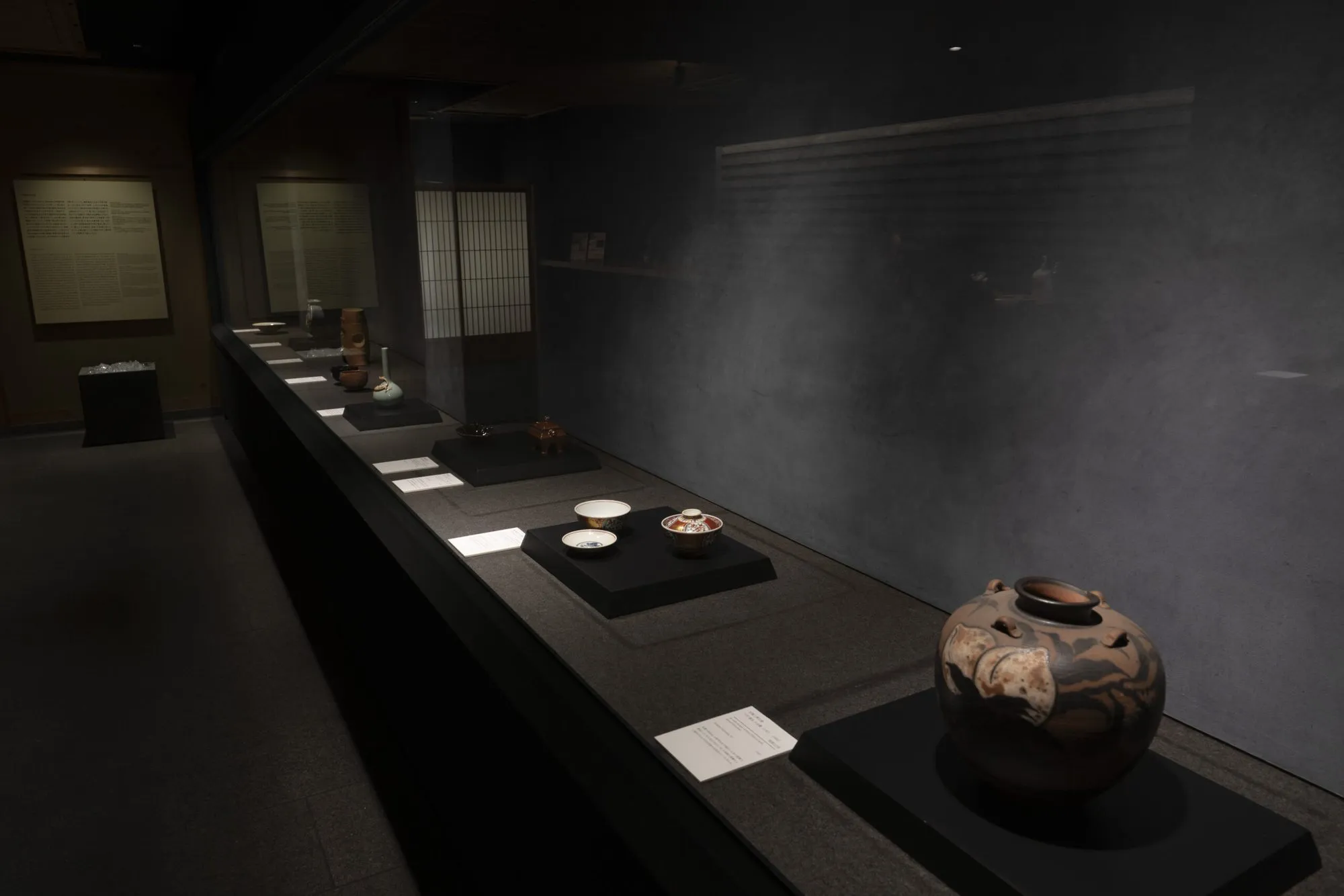
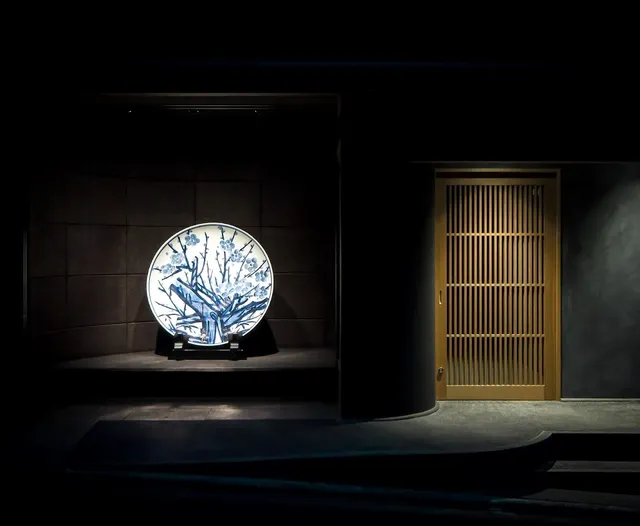
Kyo-yaki ceramics spread mainly through the Higashiyama area from around the early Edo period, against the backdrop of the growing popularity of the tea ceremony.
Gojozaka and Chawanzaka in particular, the birthplace of Kyo-yaki and Kiyomizu-yaki, were home to a dense community of ceramic artists and pottery studios. During the Showa era, artists who would lead the ceramics world emerged and worked here.
What thoughts inspired the ceramic artists of that time as they made their work? And what were their everyday lives like in the Gojozaka and Chawanzaka area?
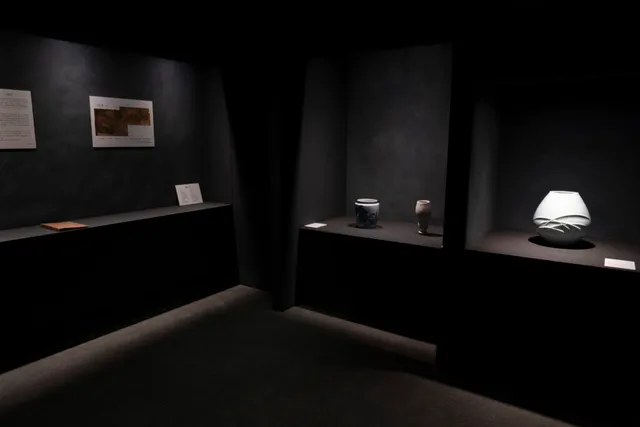
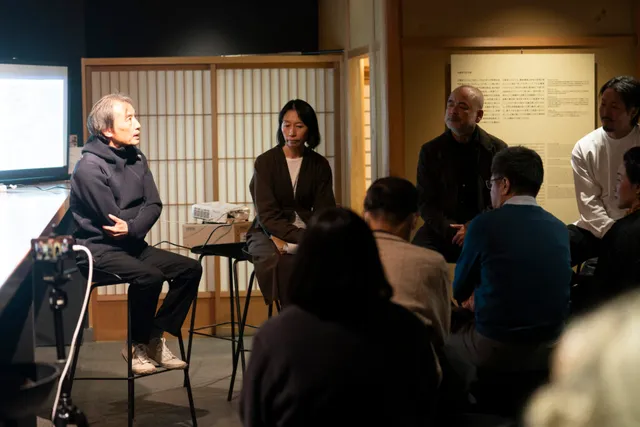
Previous Legends Exhibitions focused on the first year of Showa (1926) and Showa 20–29 (1945–54), displaying works by ceramic artists active during those periods. At the talk events, their descendants who still work as ceramic artists here gathered with local residents to share memories of the area’s oral history and the artists’ everyday lives.
Exhibiting Artists
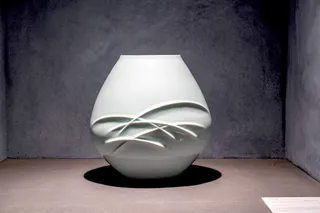
Haruo Inoue
(1909-1975)
White Porcelain Vase — Showa 20–29 (1945–54)
During Showa 20–29, his white porcelain vases submitted to Nitten won awards twice, and white porcelain came to be recognized as his signature technique. He also left the words, “White porcelain is my life.”
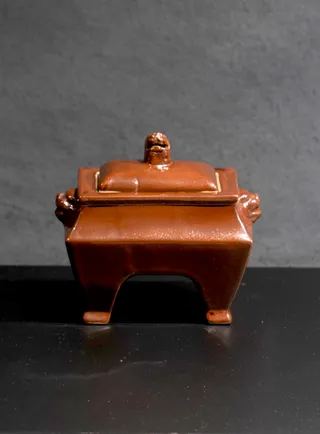
Bunsai Ogawa IV
(1893-1975)
Lion Incense Burner — Showa 14–50 (1939–75)
Bunsai IV succeeded the third generation as head of Bunsai Kiln and also submitted works to exhibitions such as Teiten. However, from the late Taisho period he made very little work because of illness. Previous generations had worked exclusively in porcelain, but the fourth generation also made earthenware for exhibition pieces.
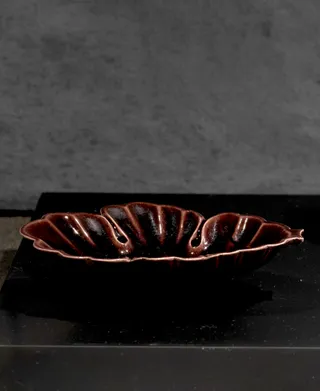
Bunsai Ogawa IV
(1893 - 1975)
Purple Kochi-Glazed Bowl in the Form of Chrysanthemum Leaves — Showa 14–50 (1939–75)
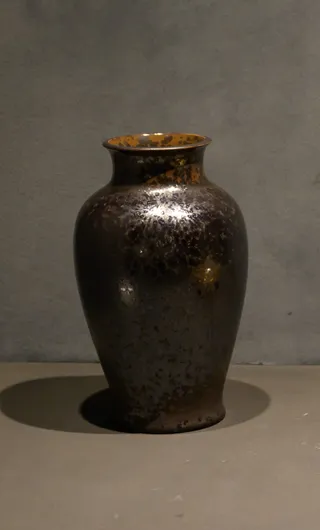
Shokoku Kano II (Tetsuo)
(1927-1998)
Lidded Vessel with Floral Designs in Red Enamel and Gold Brocade Style — Late Showa 20–29 (early 1950s)
He pursued new approaches to ceramics, including joining the formation of Sodeisha in 1948. After leaving the group in 1951, he devoted himself to mastering the family business of Kiyomizu-yaki tableware for traditional restaurants and tea utensils. This piece dates from shortly after he began working in the family business.
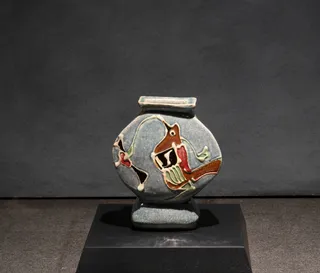
Kanjiro Kawai
(1890-1966)
Flattened Jar with Bird Designs in Cobalt Blue and Slip Trailing — Showa 26 (1951)
The technique of tsutsugaki, or slip trailing, involves squeezing out slip to draw lines that can contain the glazes, making colorful works like this possible. This technique also allowed Kawai to incorporate his own words into his work.
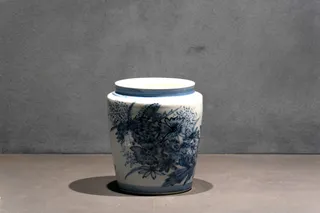
Yuzo Kondo
(1902-1985)
Blue-and-White Jar with Floral Designs — Around Showa 25 (1950)
After the war, the climbing kilns of Gojo were fired again and the area regained its vitality. This experimental work dates from Showa 20–29, when Yuzo was exploring new subjects and directions for blue-and-white decoration.
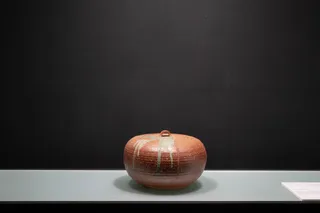
Rokubei Kiyomizu V
(1875-1959)
Low, Unglazed High-Fired Fresh-Water Jar — Showa 27 (1952)
Even after passing the family headship to the sixth generation in 1945 (Showa 20), he continued energetically to develop new techniques, including Koki glaze and the Shinsetsu kiln. This late work refines the unglazed high-firing technique practiced since the first generation in the distinctive style of the fifth.
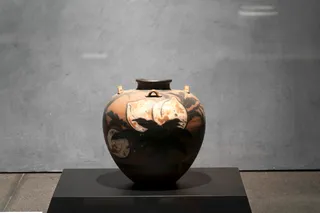
Rokubei Kiyomizu VI
(1901-1980)
Genyo Jar with Three-Fruit Design — Showa 22 (1947)
The Genyo technique is said to have involved firing in a salt kiln as far away as Ibaraki, Osaka. Developed on the foundation of his training in Japanese painting, it is regarded as one of the sixth generation’s representative techniques.
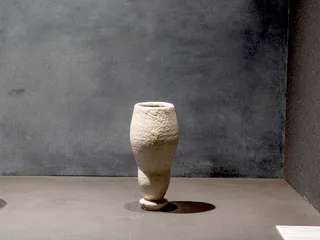
Uichi Shimizu
(1926-2004)
Flower Vessel with a Yuzu-Peel Texture — Showa 20–29 (1945–54)
A work from the time when he was pursuing new approaches to ceramics, including founding Shikokai in 1947 with young ceramic artists in Gojo, a group also described as an avant-garde ceramics collective. This form is distinctive to that period and is not seen in his later work.
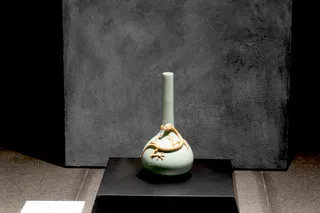
Sozan Suwa II (Torako)
(1890-1977)
Celadon Flower Vase with an Applied Dragon — Showa 15 (1940)
Torako, the niece of Sozan I, became his adopted daughter and succeeded him as Sozan II in 1923 (Taisho 12), the year after his death. Until her retirement in 1970 (Showa 45), she made many works together with her younger brother Soho Yonezawa, a pupil of the first generation, and the studio craftspeople. We have heard that she faced many hardships during the war, including the loss to wartime illness of the adopted son she had carefully raised as her successor.
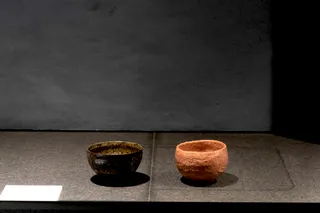
Yasuo Hayashi
(1928-)
Experimental Tea Bowl — Showa 23 (1948)
An experimental tea bowl made by hand shortly after he began making ceramics at his home in Higashiyama Matsubara after the war.
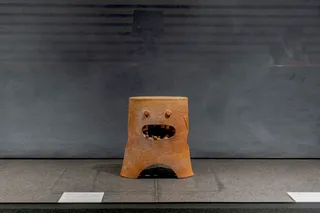
Tadao Morisato
(1932-1980)
Work — Showa 33 (1958)
In my father’s working notes there was this comment: “Mocking myself, yet what is it I am trying to cry out?” Many works from this period suggest that he was trying, through his work, to confront what lay within himself and within human beings. This is one such work. I also feel it reflects the fact that he originally aspired to be a writer and was particularly drawn to French literature.
Kako Morino
(1899-1987)
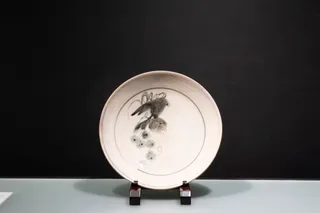
Salt-Glazed Plate with Grapes — Showa 20–29 (1945–54)
Red clay is coated with white slip and painted with grapes in cobalt blue. Salt glazing was one of his representative techniques, earning him special selection awards at Nitten. He made these works in a dedicated salt-glaze kiln on the studio grounds.
Kazuo Yagi
(1918-1979)
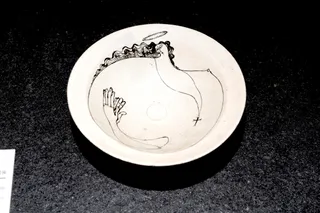
Bowl with the Virgin Mary in Iron Painting on White Slip — Around Showa 25 (1950)
As the mother was a Christian whose baptismal name was Maria, it is surmised that the Virgin Mary was chosen as a motif before the marriage.
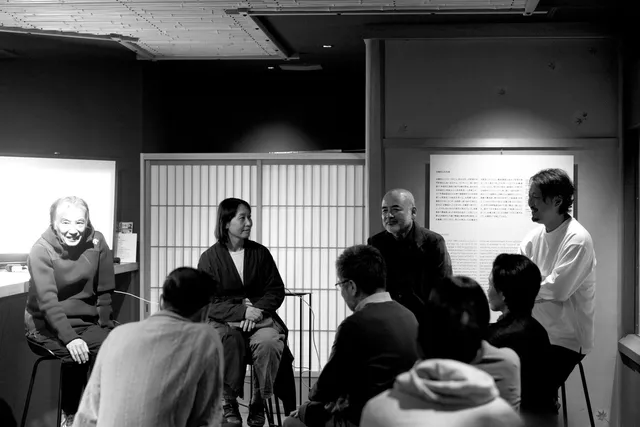
Interviews with the families of the exhibiting artists are also available.
13th Edition: Legends Exhibition — Read the Interviews